
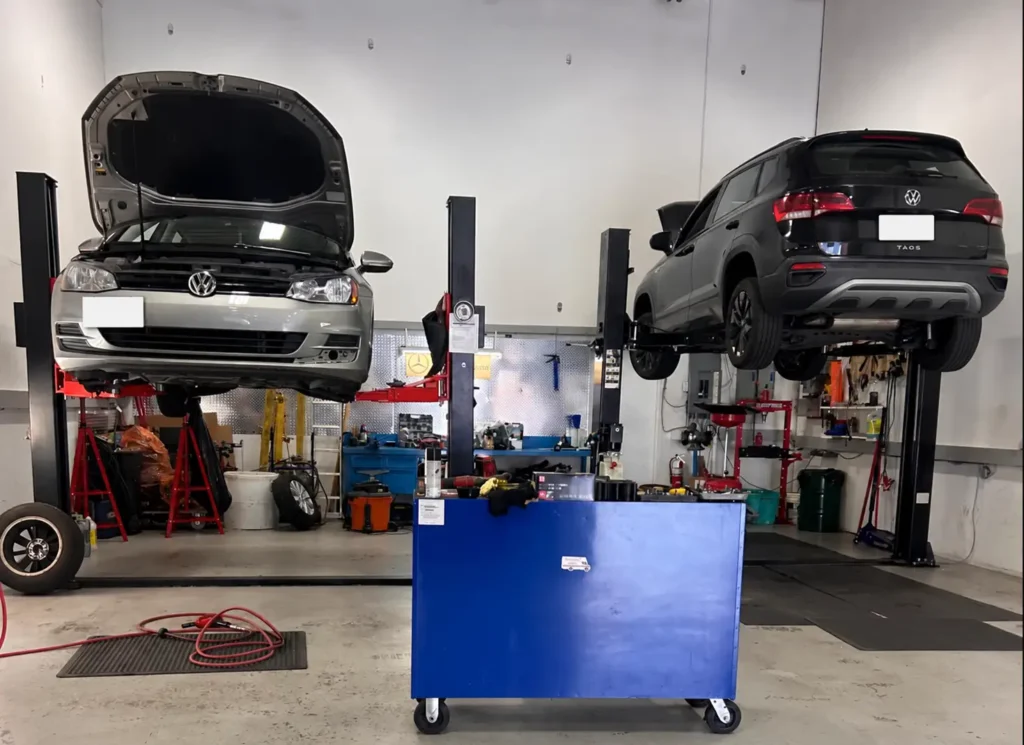
Choosing an auto repair shop isn’t only about finding the lowest price or the closest garage. A trustworthy shop should communicate clearly, explain what your vehicle actually needs, provide transparent estimates, stand behind its work, and have the experience to diagnose problems correctly before replacing parts. For drivers in Delta, BC and throughout the Lower Mainland, taking a little time to evaluate a repair shop can help you avoid unnecessary repairs, unexpected costs, and repeated visits for the same problem.
Look for Clear Communication From the Beginning
You can often learn a lot about an auto repair shop before any work begins. When you describe a problem, the shop should listen carefully and ask relevant questions. They may ask when the symptom started, whether warning lights are illuminated, when the problem occurs, or whether anything has recently changed with the vehicle. What you shouldn’t expect is an immediate diagnosis based solely on a short description. A good technician understands that similar symptoms can have very different causes. A vehicle that hesitates during acceleration, for example, could have an ignition problem, fuel-delivery issue, sensor fault, air-intake problem, or another cause entirely. Trustworthy shops explain that testing may be required before recommending a repair.
Make Sure Diagnosis Comes Before Parts Replacement
Modern vehicles are complex. Simply reading a diagnostic trouble code and replacing the component mentioned in the code isn’t proper diagnosis. A trouble code tells a technician where the vehicle’s computer detected an abnormal condition. It doesn’t automatically identify the failed part. For example, a sensor-related code could be caused by the sensor itself, damaged wiring, an air leak, another component affecting the sensor’s readings, or an entirely different underlying problem. A professional shop should use testing and inspection to determine the cause before recommending replacement parts. This approach is one of the most important things to look for when choosing trusted auto repair in Delta, because accurate diagnosis can prevent unnecessary repairs and repeat visits.
Ask How Estimates and Additional Repairs Are Handled
Before approving a repair, you should understand what work is being recommended and approximately what it will cost. A professional estimate should clearly explain the repair being performed and the parts and labour involved. Sometimes technicians discover additional problems after work has started. That’s normal, particularly when components need to be removed before everything can be inspected properly. What matters is how the shop handles that situation. You should be contacted before significant additional work is performed. The technician or service advisor should explain what was found, why it matters, and whether the repair needs immediate attention or can reasonably wait. Unexpected problems happen. Unexpected invoices shouldn’t.
Pay Attention to How the Shop Explains Repairs
You shouldn’t need to be a mechanic to understand what’s happening with your vehicle. A trustworthy repair shop should be able to explain a problem in straightforward language without overwhelming you with technical terminology. If a brake component is worn, they should be able to explain what’s worn and why replacement is recommended. If there’s a fluid leak, they should be able to tell you where the leak appears to be coming from and what can happen if it continues. And if something doesn’t need immediate repair, a good shop should be willing to say that too. The goal should be to give you enough information to make an informed decision, not pressure you into approving everything immediately.
Look for Experience With the Type of Vehicle You Drive
Not every vehicle is built the same way. European vehicles in particular can have different diagnostic systems, maintenance requirements, engine designs, electronics, and service procedures compared with other makes. That doesn’t mean you necessarily need a dealership for every repair, but experience with your type of vehicle matters. Ask whether the shop regularly works on your make and whether its technicians are comfortable diagnosing its systems. A technician who understands the vehicle is more likely to recognize common failure patterns and follow the correct procedures rather than learning about the vehicle during your repair.
Check Whether the Shop Stands Behind Its Work
A repair warranty is another useful indicator of how a business approaches its work. Ask what warranty applies to parts and labour and whether there are any conditions you should understand. No repair shop can guarantee that an unrelated component won’t fail later, particularly on older or higher-mileage vehicles. But the shop should clearly explain what happens if there’s a legitimate problem with the repair it performed. A business willing to stand behind its workmanship has an incentive to diagnose and repair the vehicle correctly the first time.
Don’t Choose a Shop Based on Price Alone
Price matters, but the cheapest estimate isn’t necessarily the least expensive option in the long run. Two shops may quote different prices because they’re recommending different quality parts, following different repair procedures, including different amounts of labour, or diagnosing completely different problems. An inexpensive repair that doesn’t solve the original issue can quickly become more expensive once you have to pay another shop to diagnose the vehicle again. When comparing estimates, ask what’s actually included. A useful comparison looks at the repair being performed, parts being installed, warranty provided, diagnostic work included, and the shop’s experience. Comparing only the final number doesn’t tell you the whole story.
Be Cautious of Shops That Recommend Too Much Too Quickly
Vehicles need maintenance, and sometimes an inspection legitimately identifies several problems at once. But recommendations should still make sense. If a shop immediately presents you with a long list of expensive repairs without explaining why they’re necessary, ask questions. A trustworthy technician should be able to separate urgent safety or reliability concerns from maintenance items that can be planned for later. For example, severely worn brakes may require immediate attention, while a maintenance service that’s approaching its recommended interval may be something you schedule several weeks later. Prioritizing repairs helps you make sensible decisions without feeling pressured.
Reviews Are Helpful, but Read Them Carefully
Online reviews can provide useful information, but don’t judge a repair shop based only on its star rating. Look at what customers actually say. Repeated comments about communication, accurate diagnosis, fair explanations, completed repairs, and how problems were handled can tell you more than the rating itself. It’s also unrealistic to expect any established business to have nothing but perfect reviews. What matters is whether there’s a consistent pattern. Pay particular attention to how a business responds when a customer has a concern. A professional response can tell you a lot about how the company handles problems.
A Clean Process Matters More Than a Fancy Waiting Room
A professional-looking facility is reassuring, but appearance alone doesn’t tell you whether a shop performs good repairs. What’s more useful is looking at how organized the operation appears. Are appointments handled properly? Are customers given clear information? Are vehicles documented? Are estimates explained? Are technicians following a diagnostic process? A shop doesn’t need luxury furniture or a dealership-style showroom to provide excellent automotive service. Good systems, experienced technicians, proper equipment, and clear communication matter much more.
Ask Questions Before Approving Major Repairs
If your vehicle needs a significant repair, don’t be afraid to ask questions. You can ask what testing confirmed the diagnosis, whether there are alternatives, what parts will be used, whether related components should be inspected, and what warranty applies. You can also ask what could happen if the repair is postponed. A good repair shop shouldn’t become defensive because a customer wants to understand a major expense. In fact, clear questions often make the repair process easier because both the customer and technician understand what’s being authorized.
Watch for Red Flags
Some behaviours should make you cautious. Be wary if a shop refuses to explain recommended repairs, pressures you into making an immediate decision without a clear reason, repeatedly changes the diagnosis without explanation, performs significant additional work without authorization, or can’t clearly describe what testing was completed. Another red flag is replacing multiple parts based primarily on guesswork. Automotive diagnosis isn’t always simple, and occasionally a difficult problem takes more than one step to isolate. The difference is whether there’s a logical diagnostic process behind those steps.
Building a Relationship With One Repair Shop Has Advantages
Finding a shop you trust and continuing to use it can make vehicle ownership easier. Over time, the shop becomes familiar with your vehicle’s repair history, maintenance history, previous recommendations, and any recurring problems. That context can be valuable. Instead of starting from scratch every time a new symptom appears, technicians can review what has already been inspected or repaired. A long-term relationship can also make maintenance planning easier because the shop can help you distinguish between work that’s needed now and work that may be approaching in the future.
Should You Use an Independent Shop or a Dealership?
Both can have advantages depending on the situation. Dealerships have direct manufacturer support and specialize in a specific brand. Independent repair shops may offer greater flexibility, personalized service, and experience across several manufacturers. For many routine maintenance, diagnostic, mechanical, and electrical repairs, a qualified independent shop can be an excellent choice. What’s more important than the sign outside is whether the technicians have the knowledge, equipment, repair information, and experience required for your particular vehicle.
Trust Comes From Transparency and Consistent Work
You don’t have to understand every component in your vehicle to choose a good repair shop. Look for technicians who diagnose before replacing parts, communicate clearly, explain priorities, provide understandable estimates, and stand behind their work. For drivers in Delta, BC and across the Lower Mainland looking for experienced European-trained mechanics, Blue Wrench Auto focuses on professional diagnosis and straightforward communication so customers can understand what their vehicles need and why. If your vehicle needs maintenance, diagnosis, or repair, you can book an appointment with Blue Wrench Auto and have your vehicle inspected by an experienced local team.